Advancing Maternal Mental Health: Closing the Gaps in Postpartum Depression Care

Schedule Your Ketamine Therapy Consultation Today
On January 22, 2026, Maternal Health Awareness Day, we at Ember Health had the honor of welcoming clinicians, advocates, and mothers to Manhattan for Mom Brain: Advancing Maternal Mental Healthcare. Hosted in partnership with Oula, the panel was designed to address one of the most persistent and consequential gaps in U.S. healthcare: how postpartum depression is identified, treated, and supported over time.
The conversation brought together a group of panelists whose expertise and lived experience made clear both the urgency of the problem and the opportunity for progress. We were grateful to be joined by Casey Selzer, CNM, Midwife and Senior Director of Patient Programs at Oula; Dr. Shanah Segal, PsyD, PMH-C, a clinical psychologist specializing in perinatal mental health; Angelina Spicer, global maternal health advocate and founder of Spicey Moms; and Lia Higgins, writer, influencer, and postpartum depression survivor. Ember Health founder and Medical Director Dr. Nico Grundmann moderated and contributed clinical perspective throughout the discussion.
Together, the panel examined why postpartum depression remains so often underdiagnosed and undertreated, and how emerging, evidence-based approaches can help close long-standing gaps in care.
The Scope of the Problem
Perinatal Mood and Anxiety Disorders (PMADs), which include postpartum depression, anxiety, OCD, PTSD, and postpartum psychosis, affect an estimated 15–20% of women during pregnancy and the first year after birth. That’s one in six mothers of new babies, making PMADs highly prevalent, yet often undiscussed. Dr. Shanah Segal emphasized that symptoms frequently emerge between three and six months postpartum, a period when many women no longer have routine contact with obstetric providers.

Despite the prevalence, maternal mental health concerns are still inconsistently screened for and discussed. Cultural expectations around motherhood, combined with stigma and fear of judgment, often delay disclosure. Clinically, postpartum care for mothers is brief, while pediatric visits focus primarily on the infant, leaving limited space to assess how the mother is actually doing.
The consequences of these gaps are significant. PMADs are associated with impaired bonding, relationship strain, and, in severe cases, suicidal ideation. Nationally, maternal mental health conditions are a leading contributor to maternal mortality.
Fragmented Care and Missed Opportunities
Casey Selzer described how structural fragmentation in perinatal care contributes to delayed treatment. Women often move between multiple providers—midwives or OBs, hospital teams, lactation consultants—without a clear system for continuity once they return home.
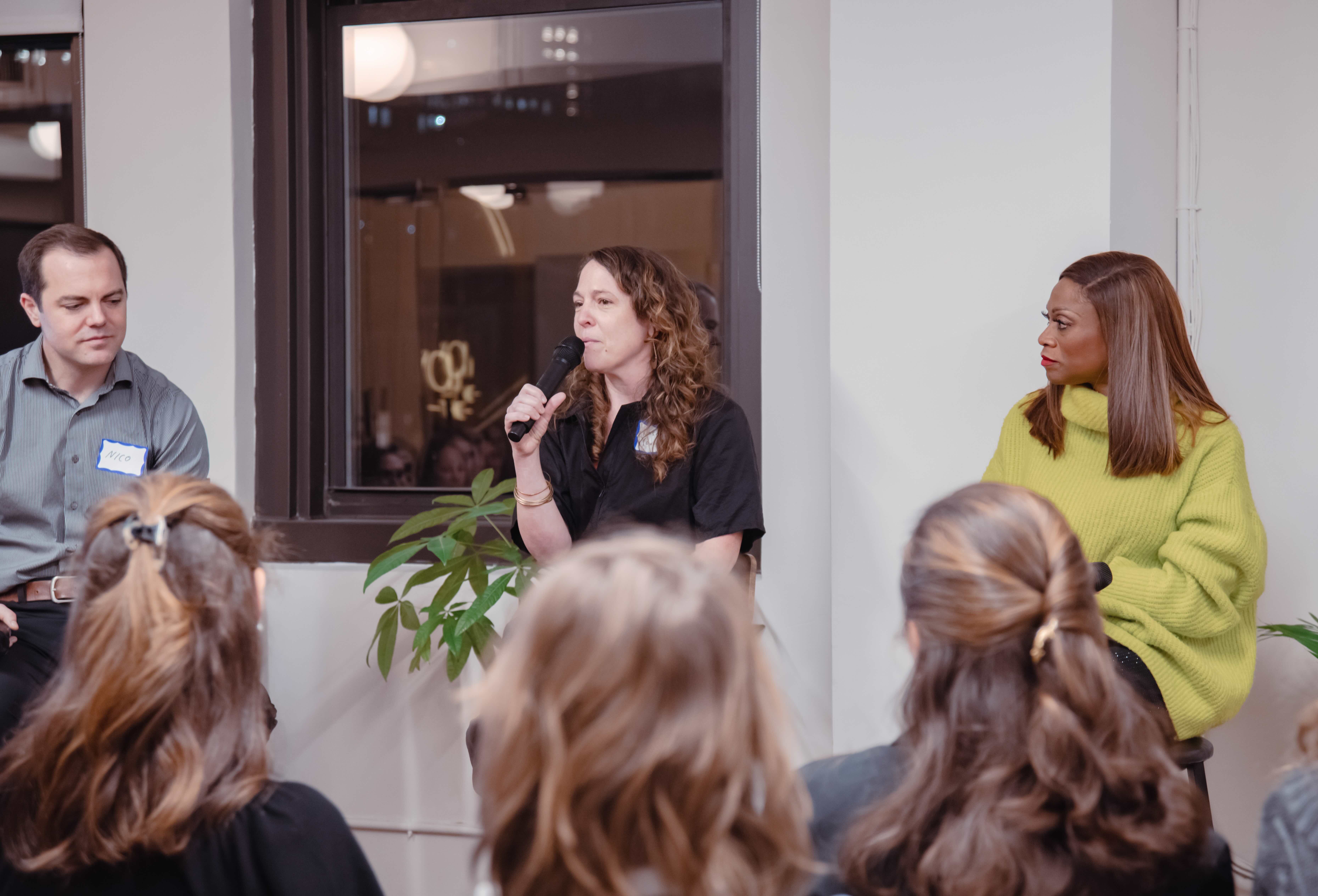
“There is no single point of accountability for maternal mental health,” Selzer explained. Screening may occur once, referrals may be offered without follow-up, and women whose symptoms emerge later may not meet intervention thresholds until distress becomes severe.
Oula’s midwifery-led model aims to address these gaps by embedding proactive screening from the first visit, involving partners in care, and coordinating referrals through dedicated care teams. This approach recognizes postpartum mental health as a continuum rather than a single checkpoint.
Lived Experience of System Gaps

Angelina Spicer brought a critical perspective to the conversation through her personal experience with postpartum depression. After the birth of her daughter, she struggled for years to access consistent, effective mental health support. A standup comedian by training, she talked about how her identity and sense of self shifted significantly after the birth of her daughter, which she found disorienting as so many new mothers do. She described willingly admitting herself to in-patient psychiatric care after exhausting all other avenues available to her at the time. She eventually found a community where she could be honest and find healing among a group of people navigating addiction, though she herself was not struggling with substance use disorder. Her recovery took nearly three years—an important reminder that postpartum depression is not always brief or self-limiting.
Angelina shared her story with humor, candor, and remarkable honesty, offering both clarity and levity while underscoring the real cost of delayed care. Her experience reflects what many women face when symptoms persist beyond the narrow windows our healthcare system is designed to address.
She also highlighted the power of public storytelling. When personal narratives are shared openly, and paired with clinical data, they help normalize maternal mental health struggles and create pressure for systemic change.
IV Ketamine as an Emerging, Evidence-Based Tool
Dr. Nico Grundmann spoke about the growing role of IV ketamine as a treatment option for postpartum depression, particularly for patients who have not responded to traditional approaches. Ketamine has been used safely for decades as an anesthetic, including in obstetric and pediatric care. In lower doses, it has demonstrated rapid antidepressant effects by promoting neuroplasticity and restoring neural connections disrupted by stress and trauma.
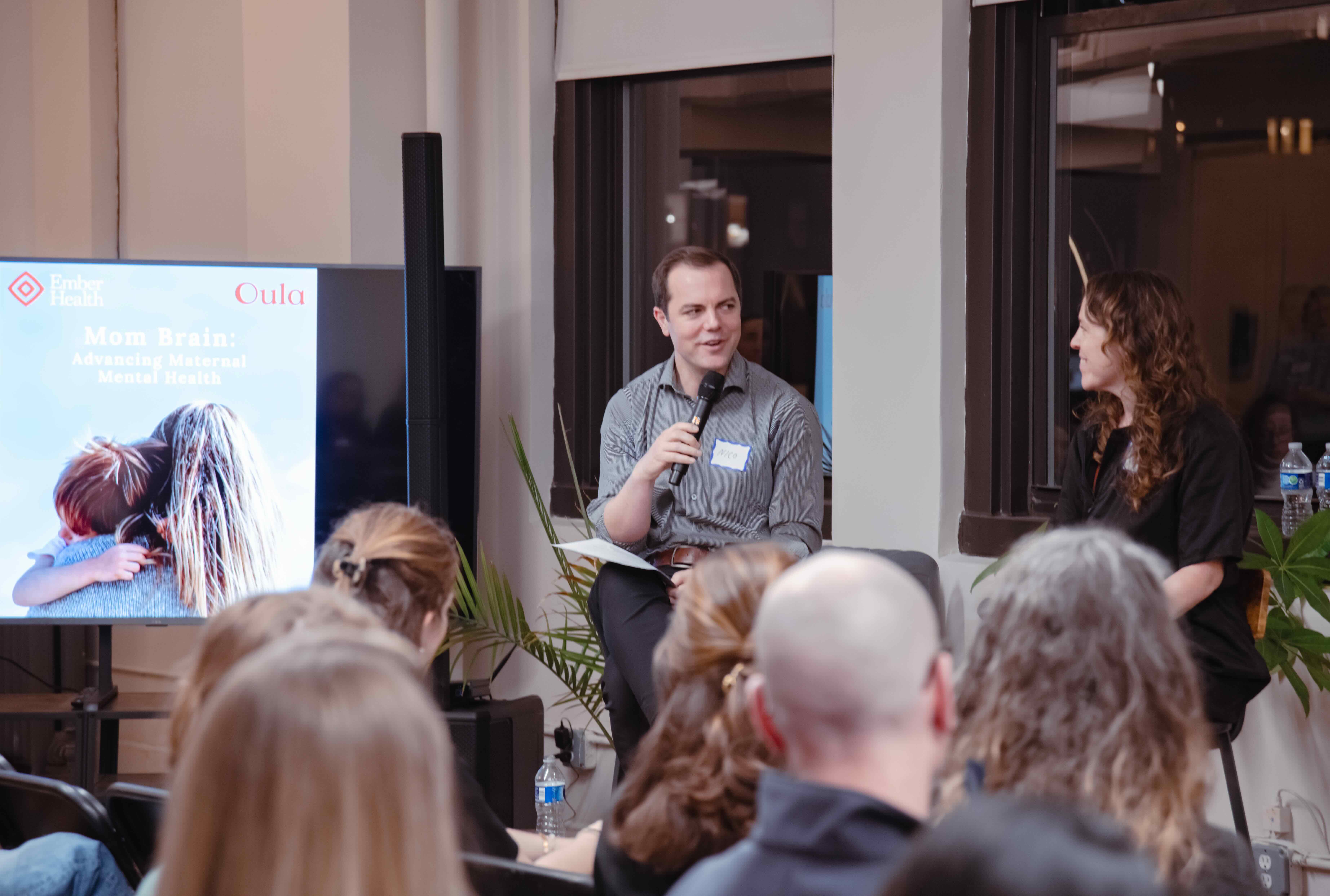
Ember Health has worked with dozens of women navigating depression in the perinatal period, and their clinical data has demonstrated that ketamine can reduce depressive symptoms within days rather than weeks or months. Dr. Grundmann shared groundbreaking research conducted by the Ember Health clinical team in collaboration with Harvard Medical School and Mass General Brigham.
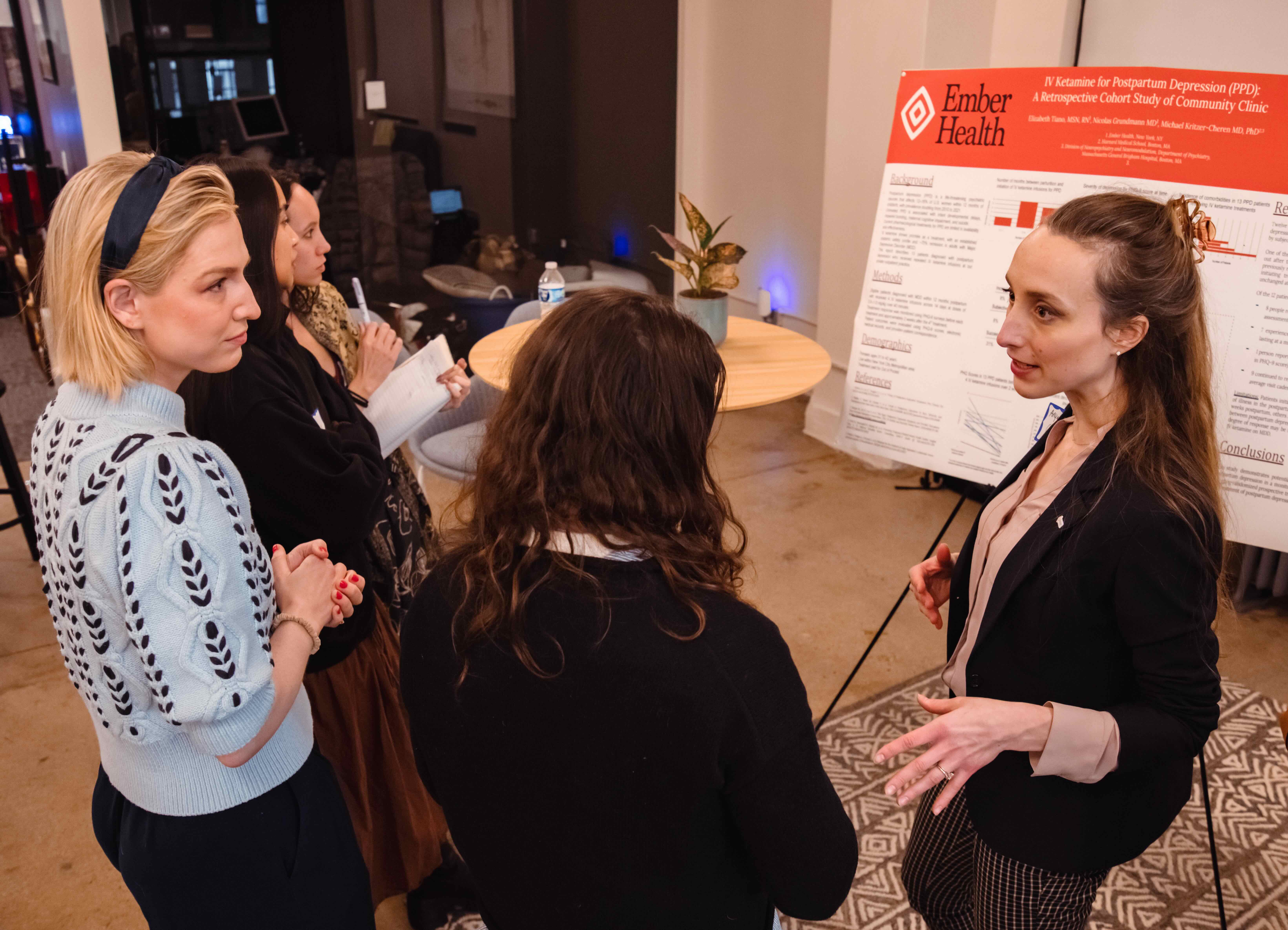
The study, led alongside Ember Nurse Navigator Ellie Tiano NP, and Ember Clinical Director Dr. Anya Karpov—herself a new mother—examined outcomes for 13 postpartum patients treated at Ember Health. Twelve of the thirteen experienced significant relief and positive clinical outcomes within three weeks of starting treatment, an encouraging signal in a population that often struggles to find effective care. The team displayed a poster from this research at the event’s entrance, which Ellie went on to formally present at the American Society of Ketamine Providers (ASKP3) conference in Austin Texas the following week.
Importantly, ketamine’s safety profile is well established, including extensive data related to breastfeeding from decades of anesthetic use. When administered within a structured protocol—centered on informed consent and close collaboration among psychiatrists, OBs, and pediatric providers—it can be a safe and effective option for postpartum patients.
We provide evidence-based IV ketamine treatment for depression, anxiety, and other mental health conditions. Schedule a free consultation call to learn more.
- Brooklyn Heights
- Chelsea
- Tribeca
- Upper East Side
- Williamsburg
Ember Health’s Integrated Care Model
Dr. Grundmann discussed how at Ember Health, IV ketamine is never offered in isolation. Treatment is embedded within a comprehensive mental health model that includes psychiatric evaluation, active monitoring, and coordination with each patient’s broader care team. Ketamine is positioned as a tool to rapidly relieve acute symptoms, creating the capacity for longer-term therapeutic work and recovery.
To date, Ember Health has safely treated dozens of mothers experiencing postpartum depression. For many, ketamine provided the first meaningful relief after prolonged suffering, allowing them to reengage with daily life, relationships, and early motherhood.
A Patient Story: Lia Higgins
Lia Higgins shared her postpartum experience with remarkable clarity and generosity. Following a traumatic birth including a postpartum hemerage where her life was imperilled, she developed severe postpartum depression, accompanied by suicidal ideation.
Starting her journey to motherhood a decade after Angelina, Lia expressed how fortunate she felt to have more options. Out of concern for Lia’s wellbeing, her husband found a postpartum therapist, who recommended that she pursue IV ketamine treatment with Ember Health. Like many patients, Lia initially was cautious due to the stigma about ketamine, having heard about it only in the context of its recreational use.

Open to anything that might provide quick and effective relief, Lia pursued treatment. After completing a two-week protocol of four IV infusions at Ember Health, Lia experienced rapid improvement. Depressive symptoms lifted, intrusive thoughts diminished, and her ability to function and connect returned. With ongoing support from Ember Health and her family, she has continued to manage her mental health and sustain recovery. She felt galvanized to share her story publicly in Oprah Daily.
Lia also shared her story at the event with honesty and humility, emphasizing how access to timely, evidence-based care changed the trajectory of her postpartum experience. Like Angelina, Lia discussed the disorienting nature of shifting from the life of a professional corporate lawyer to a mother of two. Determined to tell her story on her terms, she has become a content creator and style-setter, gaining a large following of women through her social media presence and newsletter MomTalk. She is in the process of writing a book about her journey through motherhood, and is passionate about being an advocate for advances in women’s healthcare.
We are deeply grateful for her willingness to speak publicly about her harrowing story, and help expand understanding of what effective postpartum mental health care can look like.
Toward a More Connected Postpartum Care System
As the panel concluded, there was shared agreement that improving maternal mental health outcomes will require more than individual treatments alone. Proactive screening, clinician training, care coordination, and sustained follow-up beyond the early postpartum period are essential. Event organizer and Ember Health Senior Director of Partnerships and Growth Alison Greenberg encouraged the providers in the room to band together and help build the ecosystem of providers who can deliver uninterrupted care for mothers venturing into motherhood.

Ongoing research at Ember Health and with academic partners aims to refine treatment protocols, improve predictiveness, and expand data across diverse populations. These efforts reflect a growing recognition that postpartum depression is common, serious, and treatable when addressed within a system designed for continuity and accountability.
Ember Co-Founder and Chief Experience Officer Tiffany Franke closed the event by acknowledging that conversations such as these - that marry data and facts with personal lived story and experience - are critical to expanding access to new models and tools of maternal healthcare.

She expressed gratitude to the panelists, particularly Angelina Spicer and Lia Higgins, for their generosity, courage, and commitment to advancing this conversation. Their voices, alongside clinical innovation and research, are helping move maternal mental health care toward a more effective, compassionate future.
At Ember Health, we remain committed to contributing to a healthcare system where mothers are supported, seen, and treated with the urgency and respect they deserve.